Bringing hope and relief to Sri Lankan families during one of the toughest financial years in our nation’s history.
A Nation in Crisis
April 2022 marked the beginning of a painful economic downturn in Sri Lanka, as the government officially defaulted on its debt repayment due to dwindling foreign reserves the first sovereign default in the country’s history.
This event triggered a rapid rise in inflation, surpassing 50%, with some reports indicating it reached a record-high 73%.
The middle- and lower-income families were hit the hardest. With import restrictions, a weakened rupee, and a rising dollar rate, many struggled to afford basic essentials, feed their families, and meet daily needs.
Awake a Nation’s Relief Initiative
In this climate of uncertainty, Awake a Nation launched an Emergency Relief Response to support families during one of the most challenging financial periods in recent memory.
The initiative provided dry rations and financial support to families across multiple provinces ensuring that no one was left behind in their time of need.
North Central
Dry Rations: 30 Families
Uva
Dry Rations: 75 Families
Sabaragamuwa
Dry Rations: 40 Families
All Island
Cash Grants: 11 Families
Extending Gratitude and Support
In December 2022, as a note of thanks and recognition, Awake a Nation provided additional assistance to families of Fatherhood Master Trainers who had continued their work despite immense economic hardship.
200 families of Fatherhood Master Trainers received Rs. 18,000/- cash grants
150 additional families were supported with Rs. 17,000/- vouchers
These gestures brought much-needed relief and gratitude, helping families ease their expenses and celebrate the season with renewed hope.
Supporting Children’s Education
Education remained a priority even in times of crisis. Responding to a request from the Socio-Environment Educational Development Association, Awake a Nation contributed Rs. 50,000 to support students in the Ampara District.
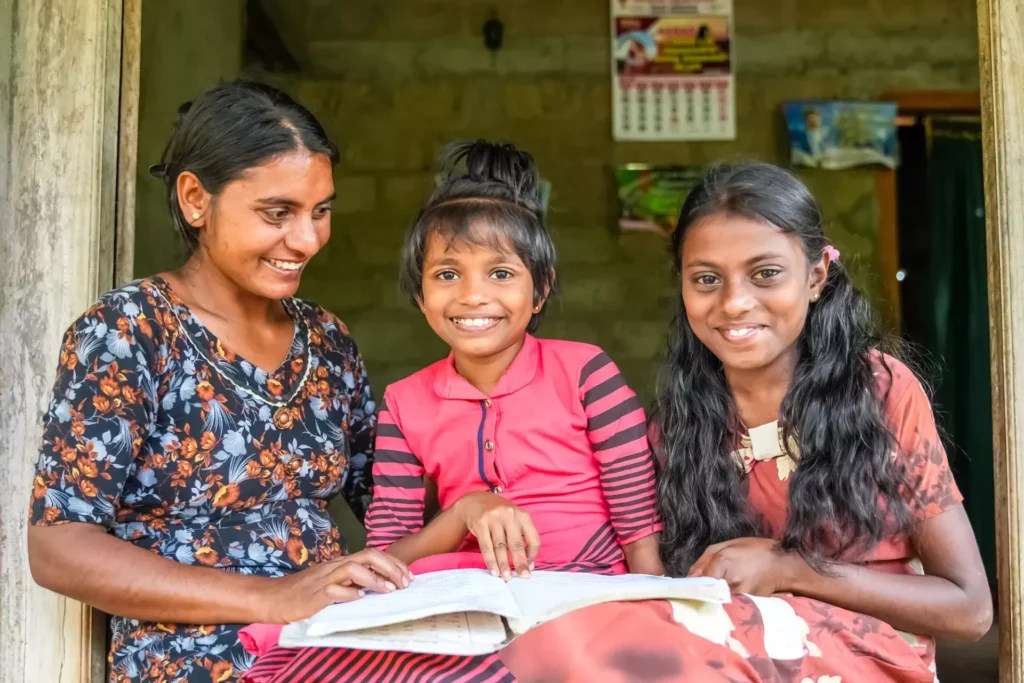
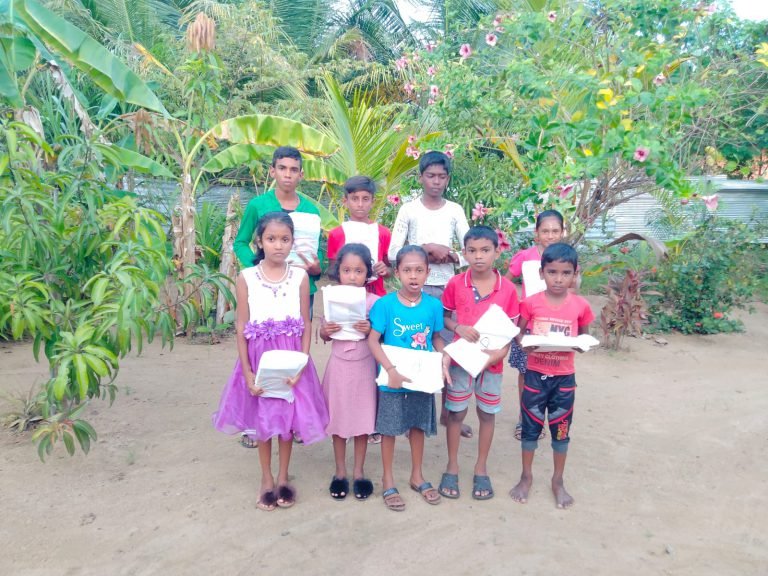
Through this initiative, 400 children across 8 schools received essential school supplies, including books, pens, and stationery. This effort lightened the financial burden on parents and ensured children could continue their education without disruption.
Together, we rise - one nation, awake with hope.
Our Emergency Relief Response is more than a project , it’s a reflection of our commitment to stand with our people when they need us the most.